Portable toilets rarely make the headline of an event plan, yet they have a way of deciding whether guests leave happy or frustrated. On construction sites, they influence productivity and compliance. In both cases, the budget you set at the start drives the outcome. Essex has a busy calendar of festivals, weddings, charity runs, and building projects, each with distinct needs. Having hired, managed, and audited portable toilet setups across the county, I’ve learned that careful budgeting isn’t about chasing the lowest quote. It is about matching the right kit to the real-world variables on your site, then controlling the add-ons that inflate costs. That is where an experienced regional operator like J&S Toilet Hire can be a practical partner, not just a supplier.
This guide breaks down the elements that shape total spend, the decisions that matter early, and the small details that keep invoices predictable. All numbers are indicative and should be validated against a current quote, but the structure here holds up across most scenarios in Essex.
Start with headcount, hours, and habits
Demand starts with people. The more bodies on site and the longer they stay, the more units and services you need. Headcount isn’t the only input though. Audience profile and behaviour matter. A craft beer festival at Hylands Park pushes heavier usage than a family picnic with equal numbers. A construction site with 25 workers spread over 12 hours generates different peaks than a school summer fair that runs for five hours.
When I scope a job, I start with three questions: how many people, how long, and how often will they likely use the facilities. As a rough rule, a guest at a daytime event will use the loo every three to four hours. At a bar-heavy event, expect a tighter interval and plan accordingly. On sites, the HSE baseline is at least one unit per seven workers for a 40-hour week if weekly servicing is included. That minimum keeps you legal but may not keep your workforce happy if the crew is larger, shifts are long, or the units are far from work areas.
J&S Toilet Hire typically asks these questions up front because they directly affect unit count, servicing frequency, and whether you need urinal pods or accessible units. Good suppliers will push you to sharpen assumptions rather than let you under-spec a booking that then needs emergency call-outs.
Understand unit types and how they influence cost
Not all portable toilets are built alike. Costs differ not only by unit type but by how they are deployed and serviced. The common categories:
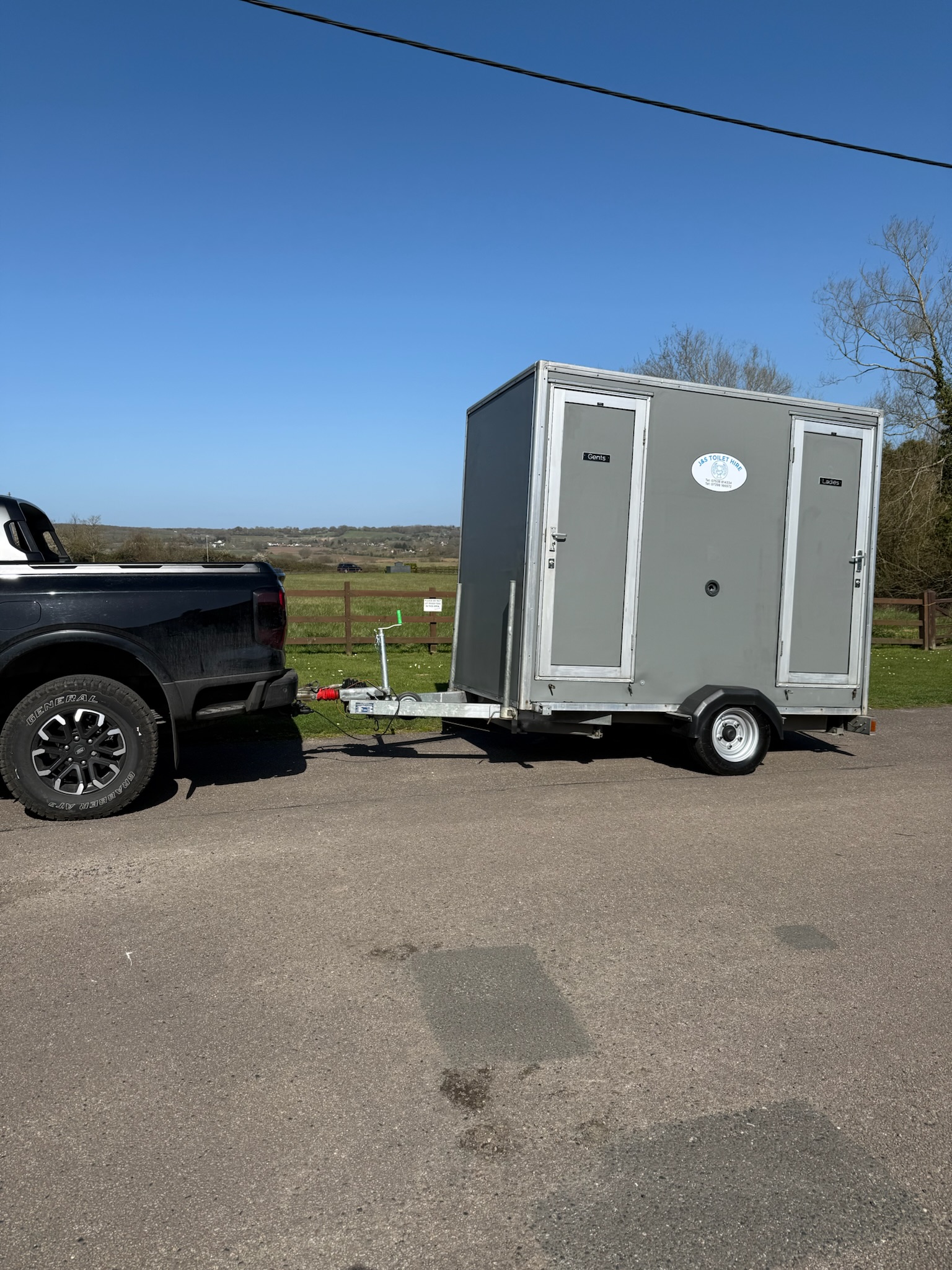
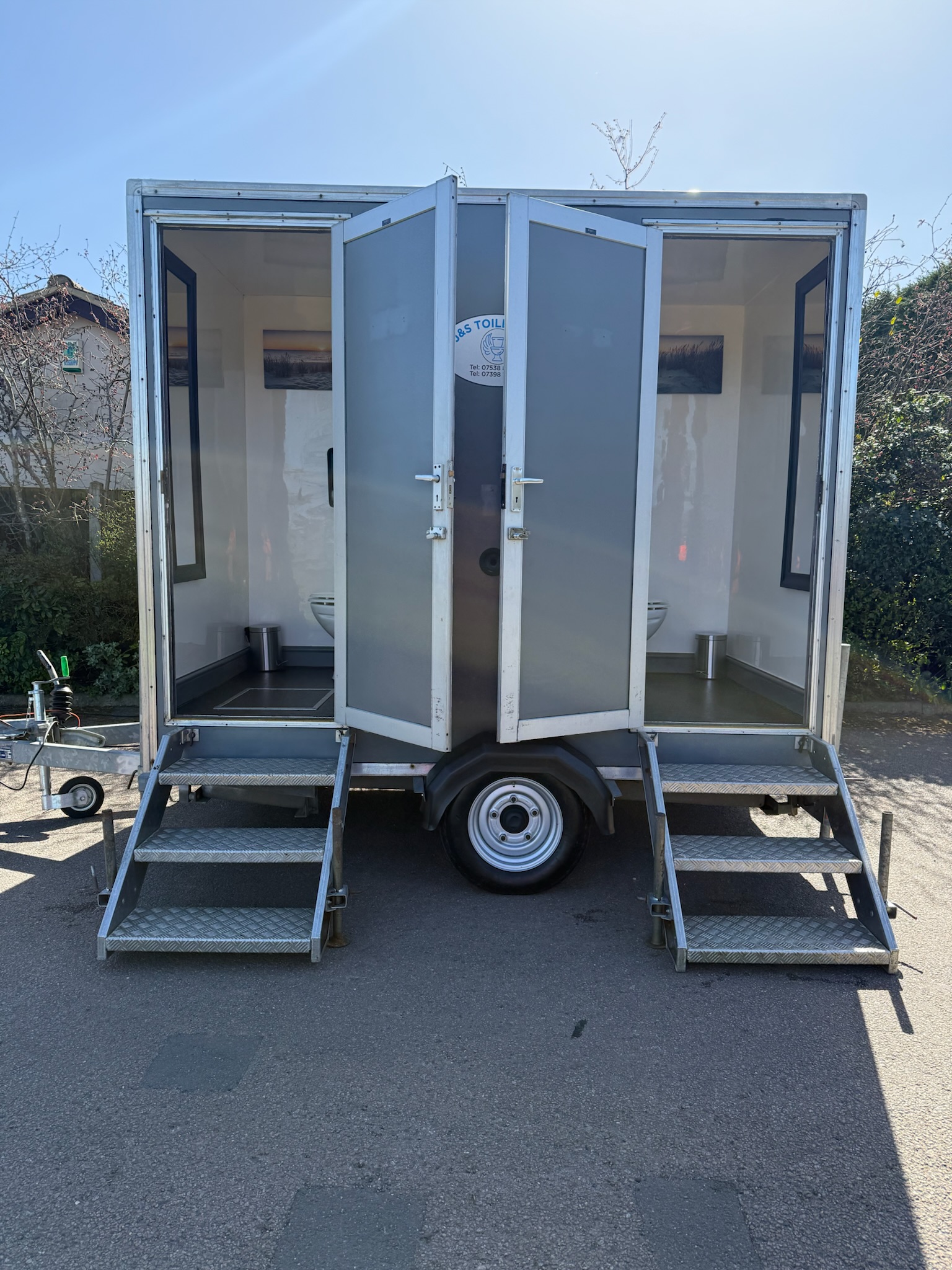
- Standard chemical portable toilets: The workhorse for events and sites, self-contained, no mains connection. They are the lowest cost per unit and easiest to place. In Essex, you’ll see these almost everywhere from village fetes to scaffolding projects. Accessible toilets: Larger footprint with ramp access and handrails. You normally need at least one for public events. They cost more than standard units, and you rarely reduce the quantity below one even for small gatherings where accessibility is a legal and moral expectation. Luxury trailer toilets: Self-contained trailers with separate male and female sections, porcelain fixtures, lighting, often with hot water. For weddings and corporate functions, they raise the tone but add line items for site access, power, and leveling. Expect a different delivery method too, which matters on narrow lanes or soft ground. Urinal pods or urinal bays: High-throughput solutions that reduce queue times for alcohol-forward events. They are cost-effective when the male attendance is high and can reduce the number of standard cubicles needed. Mains-connected units and welfare units: Less common for short events, more common for long builds. They can lower servicing frequency but involve connection considerations and a higher upfront rate. Welfare units may bundle toilets with canteens and drying rooms, which changes the budget framework entirely.
J&S Toilet Hire covers the standard and accessible units across most of jandstoilethire.com J&S Toilet Hire Essex, with options to scale to luxury trailers for premium events. The trick is to combine types intelligently. For a 500-person afternoon event in Southend, I might suggest eight standard units, one accessible unit, and a urinal pod, rather than ten standards and one accessible. You save queue time and sometimes money, because urinals handle heavy peaks more efficiently.
Duration and servicing frequencies
Hire costs live in two layers: the base price for the unit and the servicing schedule that keeps it usable. For day events, a single delivery and collection with a pre-service is common. For multi-day festivals or weekly construction jobs, you plan pump-outs. Servicing frequency depends on usage intensity, temperature, and proximity to catering or bars.
Warm weekends in Essex put more strain on units than a cool weekday. If you are hiring for two days in July, factor in a mid-event service. Skipping a service to save a small fee often backfires when you need an unplanned emergency visit at a premium. On sites, weekly servicing typically suits crews up to around seven per unit. Once crew sizes creep higher, step up to twice-weekly to maintain hygiene and morale.
J&S Toilet Hire offers set weekly rates with service included for site hire, and event packages with optional mid-event services. When comparing quotes, put line items side by side. One supplier might show a cheaper unit figure but a much higher service fee, or charge lift-out disposal separately. Ask for an all-in weekly rate for sites and a clear per-service rate for events. That alone prevents most cost surprises.
Delivery logistics across Essex
Delivery is where Essex’s geography matters. A unit going to a farm site outside Colchester down a single-track lane has a different cost profile than a drop on a paved car park in Chelmsford. Deliveries to seafront venues in Southend or Clacton sometimes require timed access and careful positioning due to pedestrian zones. Soft ground, gradients, and tight turns complicate placement and removal. If a luxury trailer needs room to maneuver, you might need marshals or temporary ground protection.
A supplier like J&S Toilet Hire will ask for site photos, pin locations, and access notes. Providing this detail helps them quote a realistic delivery fee and avoid failed deliveries, which often incur charges. On some rural sites, I’ve laid down track mats or coordinated with groundworkers to ensure a firm base. The small spend on preparation beats the cost of a rescheduled drop.
Power and water assumptions
Most standard chemical toilets are self-contained, so they don’t need water or power. Luxury trailers usually require a 240V supply and sometimes a water connection or a filled onboard tank. If power is unreliable, budget for a generator with appropriate cables and RCD protection. Misjudging power leads to last-minute hires that cost more than planning ahead.
If you are running a bar and catering line with handwash stations, decide whether to add standalone sinks near food vendors or upgrade to units with sinks. This affects both unit selection and the rate. Essex food markets are increasingly strict about hand hygiene, so go with the better option if in doubt.
Compliance, accessibility, and local expectations
Public-facing events in Essex will expect at least one accessible unit, and more as attendance grows. Where alcohol is served, crowd dynamics matter. For mixed-age family events, handwashing becomes a bigger point of scrutiny. Construction sites must comply with HSE guidance on ratios, cleanliness, and welfare provisions. If inspectors visit, they look at both the quantity and the service records. J&S Toilet Hire can provide service logs and stickered service dates inside the unit. Keep those visible. They help you demonstrate compliance if questions arise.
For council-managed parks or heritage sites, check permit conditions. Some locations require waste documentation or restrict vehicle movements during certain hours. Build any related fees or timed delivery premiums into your budget.
Budget baselines: realistic figures and how they stack up
Rates vary with season, lead time, and fleet availability, but broad ranges help shape early budgets. For Essex hires, a practical planning range might look like this:
- Standard chemical toilet, event day-hire: often within the lower hundreds per unit for drop-and-collect, with price improving at higher quantities. Standard chemical toilet, weekly hire for sites: a weekly rate within the low hundreds including one service per week is typical; add-ons apply for extra services. Accessible toilet: usually 1.5 to 2 times the standard rate, reflecting larger size and handling requirements. Luxury trailer units: multi-hundred to low thousand per day depending on spec, with additional fees for power, attendants, and weekend scheduling. Servicing call-out: a mid-range fee per visit for pump-out and refresh, with premiums for out-of-hours or rapid response. Delivery and collection: often a flat regional fee or a mileage-based add-on. Long runs to the far edges of Essex may lift the cost slightly.
Ask J&S Toilet Hire for an itemized, all-in quote that includes VAT, delivery, servicing, and any expected extras. A clear quote lets you adjust the mix before you lock in.
Right-sizing the unit count
The most common budgeting mistake is under-ordering. The second is over-ordering because someone applied a generic ratio without reading the crowd. Here’s how I calibrate.
For short, dry daytime events up to six hours without heavy drinking, I start at one standard unit per 75 to 85 attendees, plus one accessible unit. For events with alcohol, tighten to one per 50 to 60. If you add a urinal pod that serves 6 to 8 users at once, you may trim one or two standard cubicles from the male side, keeping total throughput high while easing queues.
For construction, I map the crew size to HSE guidance, then add one extra unit at around 15 to 20 workers if the site layout forces long walks. Lost time in transit can quietly cost more than an extra unit’s weekly rate. Night shifts or split shifts also justify additional capacity, because cleaning windows shrink and usage spikes.
J&S Toilet Hire can model this with you if you share layout drawings or a simple sketch. A 2-minute chat about where people queue, where the bar sits, or how the site cabins are arranged saves money and friction.
Hidden costs worth surfacing early
Budgets drift when small variables aren’t captured. A few examples from Essex jobs that changed the final bill:
- Terrain and distance: A long push over soft ground from the drop point to final position takes more time and crew. If hand carry becomes necessary, some suppliers charge a handling fee. Last-minute quantity changes: Adding units within 24 to 48 hours of delivery often triggers a premium, especially in peak season. Book the baseline early with an option to flex a small buffer up or down a week out. Out-of-hours work: Late-night collections after a festival to open a car park by morning need night crews. Those rates differ from standard hours. Onsite attendants: For higher-end events, hiring an attendant to keep units pristine reduces call-outs and guest complaints. It isn’t always necessary, but where image matters, it pays for itself. Damages and misuse: Vandalism, tipped units, or misuse costs time and money. Fencing, good lighting, and sensible positioning reduce risk. For event sites, coordinate with security to include toilet clusters in patrols.
Transparent suppliers will help you foresee these items. J&S Toilet Hire tends to bake predictable logistics into the quote and flag edge cases that may add cost.
Seasonal trends and booking strategy in Essex
Essex’s peak season runs late spring through early autumn. July and August weekends see the heaviest competition for stock, especially luxury trailers and accessible units. For those months, a three- to four-month lead time secures the best rates and availability. Late autumn and winter are friendlier for site rates, with more flexibility on servicing windows.
Weddings and corporate events benefit from early coordination between the venue and the hire company. If the venue sets strict load-in/load-out windows, pass those to J&S Toilet Hire at quote stage so they can schedule efficiently. Efficiency translates into better pricing.
How to compare quotes without getting tripped up
Not all quotes describe the same thing in the same way. Normalizing them takes ten minutes and saves hundreds of pounds.
- Check whether servicing is included or listed separately, and at what frequency. Put all quotes on the same assumed schedule. Confirm delivery and collection fees, and whether weekend rates apply. Identify unit types precisely. A luxury trailer has different specs across suppliers. Confirm number of cubicles, sink types, and power needs. Ask about cancellation and change terms. If your event permit is pending, you need a fair cancellation window. Understand damage deposits and how end-of-hire inspections are handled.
J&S Toilet Hire’s quotes are usually plain English with clear totals. If you have a competing offer, share the structure rather than playing price tennis. Experienced providers often suggest a way to achieve the same service level for less by swapping a unit type or adjusting service timing.
Case sketches from the field
A charity 10k in Chelmsford, 800 runners plus 300 supporters, a three-hour window. We placed 12 standard units, one accessible, and one urinal pod near the finish funnel. No mid-event service required. The urinal pod reduced male queues and allowed more female-biased allocation among the standards. Total cost was leaner than piling on more standard cubicles, and the queue photos looked good for the sponsors.
A rural wedding near Saffron Walden, 150 guests, marquee on a sloped field. The couple wanted a luxury trailer. We surveyed the access, flagged the need for track mats, and planned a power run from the generator with a backup. The groundworks team leveled a pad area the day before. This planning avoided a failed delivery, which would have cost an extra call-out and compromised the day.
A civil engineering site outside Basildon, 32 workers, mixed shifts over 10 hours. Initial plan used four units with weekly service. Two weeks in, complaints about cleanliness rose. We switched to five units with twice-weekly service. The weekly cost went up marginally, but time on task improved and call-outs dropped to zero.
Ways to trim spend without cutting corners
Most savings come from smart planning rather than shaving unit counts. Cluster toilets near high-traffic areas to reduce the need for duplicates. For alcohol-heavy events, introduce urinals to relieve pressure. For sites, position units so crews don’t cross active machinery routes, which saves time and prevents damage.
Schedule deliveries and collections in standard hours where possible. If you need a late-night lift, consolidate to one window rather than multiple small moves. Share exact what3words or GPS pins to cut driver time. Provide a clear base for placement so no extra ground protection is needed on the day.
J&S Toilet Hire often advises on layout free of charge during quoting. Use that. Asking where to place units for least servicing isn’t a nuisance, it’s the work that keeps budgets steady.
Hygiene, perception, and the value of a little extra
The cheapest plan isn’t the one with the lowest number on paper. It’s the plan that protects your reputation and productivity. I’ve watched festival-goers turn on an event over poor facilities, and I’ve seen site supervisors fight to get crews back on schedule after a blocked unit breaks the morning routine. A small uplift for hand sanitiser refills, mid-event servicing, or an attendant at a premium function often returns multiples in goodwill and efficiency.
For branded events, a clean bank of toilets photographed well is invisible in the best way. For safety-conscious sites, service stickers and tidy units reassure inspectors and clients. J&S Toilet Hire focuses on this operational polish because it reduces headaches later.
Booking workflow with J&S Toilet Hire
Most hires in Essex follow a familiar pattern:
- Scoping call or email: Share headcount, duration, audience or crew profile, site address and access notes, and any power or water availability. Photos or a site plan speed things along. Proposal and quote: Expect a clear itemization: unit types, quantities, servicing schedule, delivery and collection fees, and VAT. Confirmation and scheduling: Lock in dates and windows for delivery and pick-up. Provide final site pins and a contact for access. Pre-hire checks: If conditions change, update the supplier. Heavy rain can turn a firm field into a soft one overnight. Better to adjust early than pay for a recovery. On the day: Ensure access is clear, ground is ready, and the receiving contact is on site or responsive. After delivery, check placement before the driver leaves.
Once in place, keep a line open for servicing and any issues. Good suppliers handle inevitable curveballs without drama if the communication flows.
When to ask for something different
If you are staging an event near the coast in high winds, consider ballast or fencing to prevent tipping. For car shows or food festivals, add standalone handwashing to reduce pressure on cubicles. For long rural builds, see if a mains-connected solution is viable to reduce tank servicing. For public parks with adjacent residents, ask for deodorising additives and schedule servicing outside quiet hours.
J&S Toilet Hire can often tweak the plan based on site quirks you only discover after a walkabout. Bring those observations into the quote stage rather than after delivery.
Common pitfalls and how to dodge them
Underestimating the effect of alcohol is the first trap. The second is ignoring accessibility until late. The third is forgetting that a field in May might still be waterlogged, which changes positioning options. If your event is back-to-back with another booking at the same venue, allow a buffer for collection and cleaning before your start time. If your site is behind a locked gate, don’t assume the driver has the code. Send it the day before and confirm receipt.
A supplier can only work with the information provided. J&S Toilet Hire is used to these patterns and will ask pointed questions, not to upsell, but to save a Thursday night scramble that costs more than the right plan would have.
Final budgeting framework you can reuse
Roll your planning into a simple worksheet. Start with headcount and duration. Choose unit types based on audience and tone. Layer in servicing with season and alcohol in mind. Add delivery realities from access notes. Include accessibility as a fixed item, not a variable. Then build a contingency line of around 10 to 15 percent for weather or late changes. Share the whole picture with J&S Toilet Hire and invite feedback. The best quotes sharpen your plan, they don’t just mirror it.
If you treat portable toilet hire as a strategic line, not a commodity afterthought, the numbers hold steady, guests stay comfortable, crews stay productive, and your event or project runs like it should. In Essex, with its mix of coast, countryside, and busy towns, the difference between a forgettable facility and a frictionless one is rarely luck. It is a clear brief, an honest quote, and a supplier who knows the ground. J&S Toilet Hire fits that bill and can help you turn a rough budget into a reliable one.